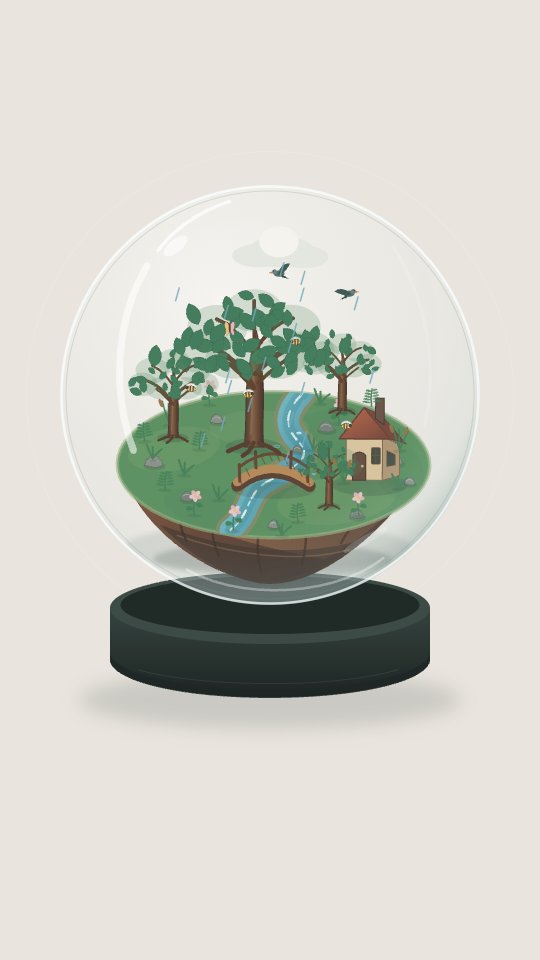
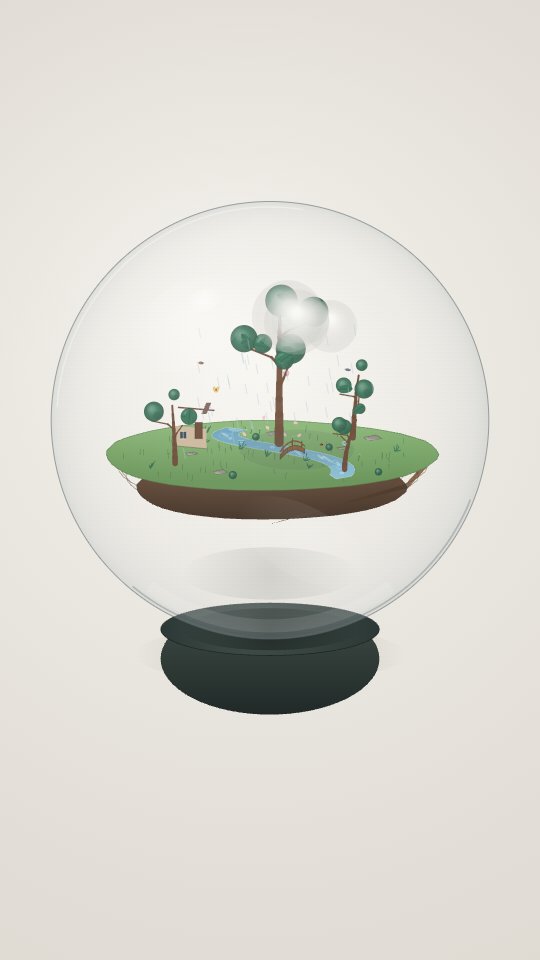
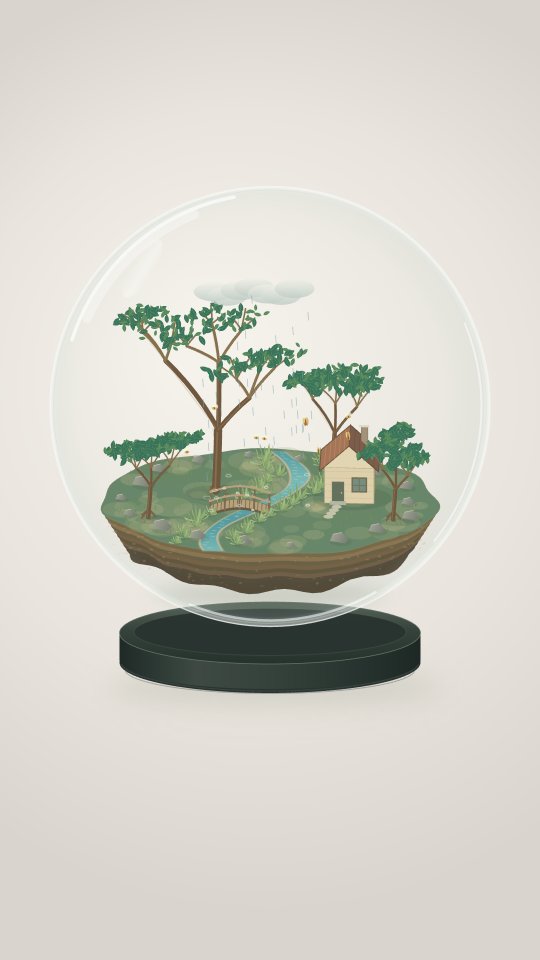
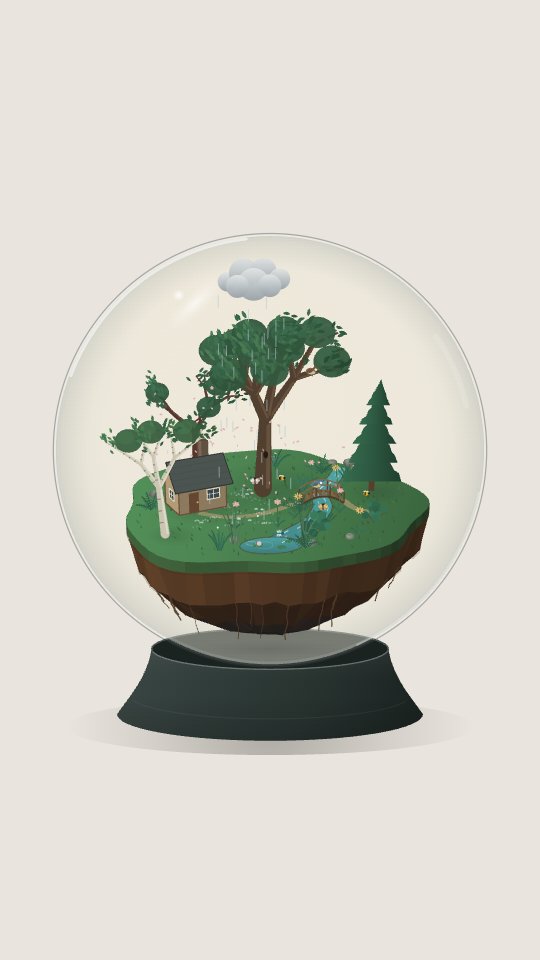
The four original HTML results come from GPT-6 Astra, GLM 5.3, Kimi K3.1 Pro, and Claude Opus 5.5. The review checks key frames, scene data, and local single-file behavior against the five rubric dimensions. Physical-display performance and multi-cycle resource behavior remain open, so no overall score or formal ranking is published.
Verified visual and scene evidence
Frames were sampled at 0, 3, 9, 15, 21, 27, 29, and 30 seconds. Scene data supports, but does not replace, visual review. All four open as local files without external resource requests; basic pause, resume, restart, and seek checks passed.
Model
Ground plants
Visible summer creatures
Tracked leaves
Winter coverage
GPT-6 Astra
90
7
15
Roof / ground / branches / ice
GLM 5.3
16
6
16
Roof / ground / branches / ice
Kimi K3.1 Pro
311
8
27
Roof / ground / branches / ice
Claude Opus 5.5
22
7
16
Roof / ground / branches / ice
Counts are assisted by scene data at seconds 9 and 21. GLM reports separate winter coverage, but the broad white layer makes it difficult to verify visually; the API alone does not merit full credit.
Each result
GPT-6 Astra
Codex · reasoning high
Strengths: The globe edge, island depth, bridge, and stream remain clear. Buds, falling leaves, layered snow, and the cabin light are visible; all 15 tracked leaves have landed by the winter sample.
Limits: Camera variation is modest, ground cover and creatures are small, and the blue stream makes the ice less convincing than its reported coverage.
Strengths: Season colors and phase order are clear, and the island, trees, bridge, cabin, and stream keep their positions. The summer sample reports six active creatures, with snow and ice coverage in winter.
Limits: The island and vegetation are sparse. A broad white winter layer obscures the island depth, bridge, cabin, and stream, making the physical snow and ice transitions hard to read.
Strengths: Canopies, island vegetation, and falling leaves contain substantial detail. Four trees, the bridge, cabin, and stream stay in place. Eight creatures are visible at second 9, and all 27 tracked leaves have landed by winter.
Limits: Details appear small in the full vertical frame. Much snow and ice remain at second 27 before mostly clearing by second 29, making late thaw quick. The API plant count should not be treated as a count of visually distinct plants.
Strengths: Island depth, building materials, and distinct tree shapes are the most developed. Spring buds, autumn leaves, and separate winter snow layers read clearly; all 16 tracked leaves have landed by the winter sample.
Limits: Winter snow is patchy, and substantial snow and ice remain midway through thaw before receding quickly near the end. The loop transition needs continuous-play review.
The rubric assigns 30 points to visuals, 30 to seasonal actions, 20 to world continuity, 10 to loop quality, and 10 to technical stability. Key frames, landmark identity, state data, offline delivery, and basic controls are checked. Full continuous playback, three-cycle resource behavior, and performance on a 60 Hz physical display remain open. The rubric does not permit an overall score while scored items remain untested.